Engineering Blog
FROM THE
CAVITE FLOOR.
SIGNAL, NOT NOISE.
Tariff math, IPC/WHMA-A-620 Class 3 reality checks, AWG selection decision trees, DFM checklists, and supply-chain forecasts — written by the engineering desk that runs the Cavite Economic Zone plant. No marketing fluff; every number has a citation.
22
Articles Published
4
Topic Categories
Engineering
7 Articles
Sorted Newest First
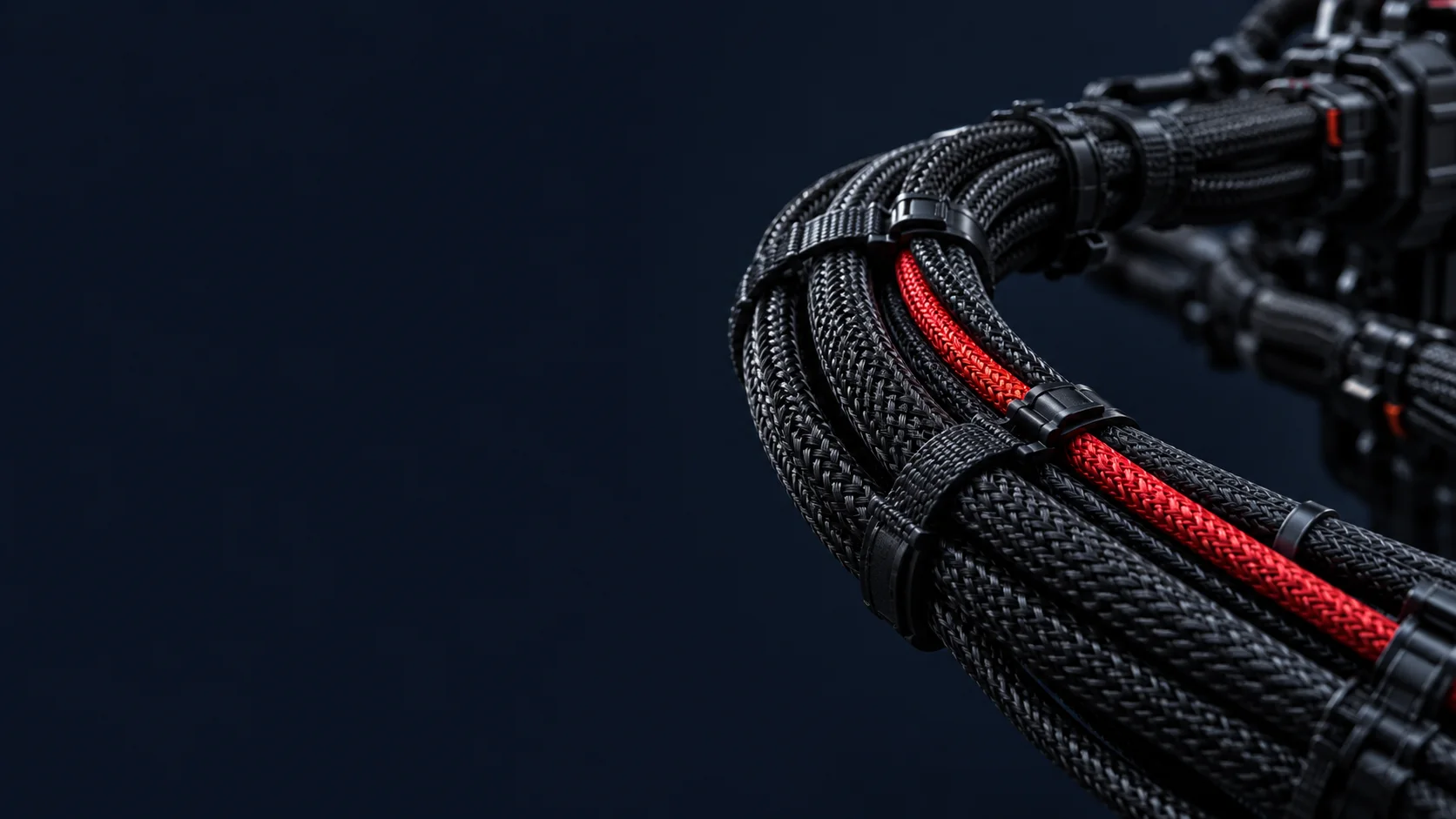
Waterproof & IP-Rated Wire Harnesses: How Sealing Really Works
"Waterproof" is not a single thing — it is an IP rating, and a harness is only as sealed as its weakest point. This guide explains what IP67, IP68, and IP69K actually mean, the real ways a harness is sealed (sealed connectors with wire seals and cavity plugs, overmolding, potting, glands and adhesive-lined heat shrink), the weakest-point rule that decides the real rating, typical targets by application, and how to specify and verify an IP-rated harness on an RFQ.
Crimping vs Soldering Wire Terminations: How to Choose
For almost every wire harness, a crimp is the right termination and solder is the exception. A crimp cold-welds the terminal to the conductor with controlled force — fast, repeatable, and better under vibration; solder makes a metallurgical joint that is strong electrically but wicks up the strands and can crack under flexing. This guide explains how each works, compares them on reliability, repeatability, heat, rework, speed, and cost, shows what IPC/WHMA-A-620 expects, and gives a clear rule for when to crimp and when to solder.
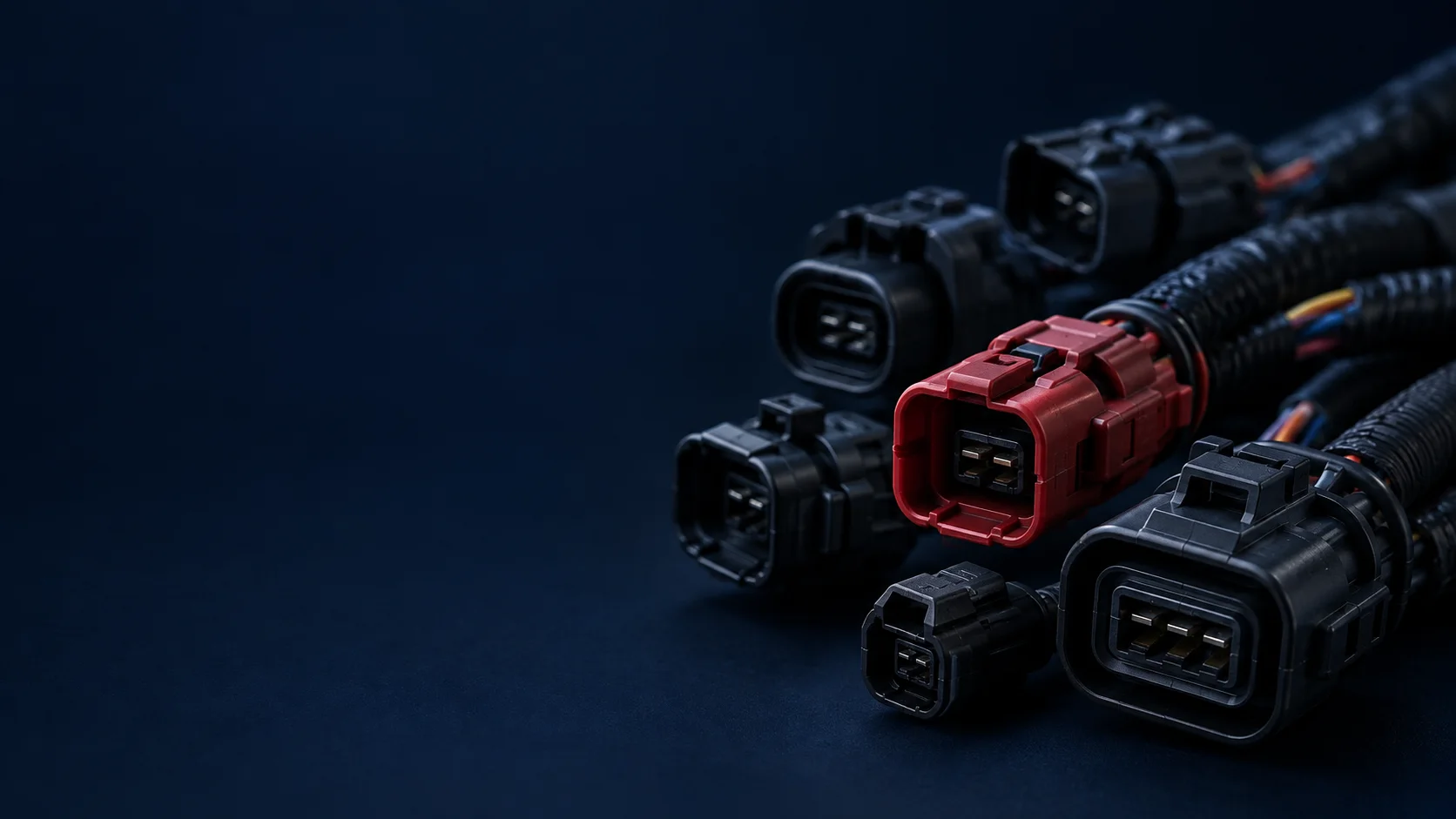
Cable Shielding and EMI in Wire Harnesses
Shielding is how a wire harness keeps electrical noise from coupling onto its signal wires. A shield is a foil or braid layer around a conductor or bundle, grounded so it drains EMI away. This guide compares foil, braid, and combination shields, explains shield coverage and transfer impedance, shows how to ground and terminate a shield correctly with a 360-degree bond instead of a pigtail, covers when a harness needs shielding and when it does not, and how to specify it in an RFQ.
Overmolded vs Potted Cable Assemblies: How to Choose
Overmolding and potting both seal and protect a cable termination, but they get there differently. Overmolding shots a boot or seal over the junction in a mold — repeatable, clean, and sealed, but it needs tooling and volume to pay off. Potting fills a shell or cavity with a curable resin — no hard tooling, ideal for low volume and awkward geometry, and very rugged. This guide compares sealing, tooling, volume, repairability, weight, and cost, explains where silicone soft-molds fit for prototyping, and gives a clear rule for choosing between the two.
Automotive Wire Harness Basics: What It Is and How It's Built
An automotive wire harness is the bundled, protected set of wires, terminals, and connectors that carries power and signals around a vehicle — cut, crimped, and tested to a workmanship standard so it survives heat, vibration, and moisture for the life of the car. This guide explains what a harness is, the parts it is made from, sealed versus unsealed construction, how wire gauge and circuit protection are chosen, why the connector is the hardest part to source, and how one is actually built and tested.
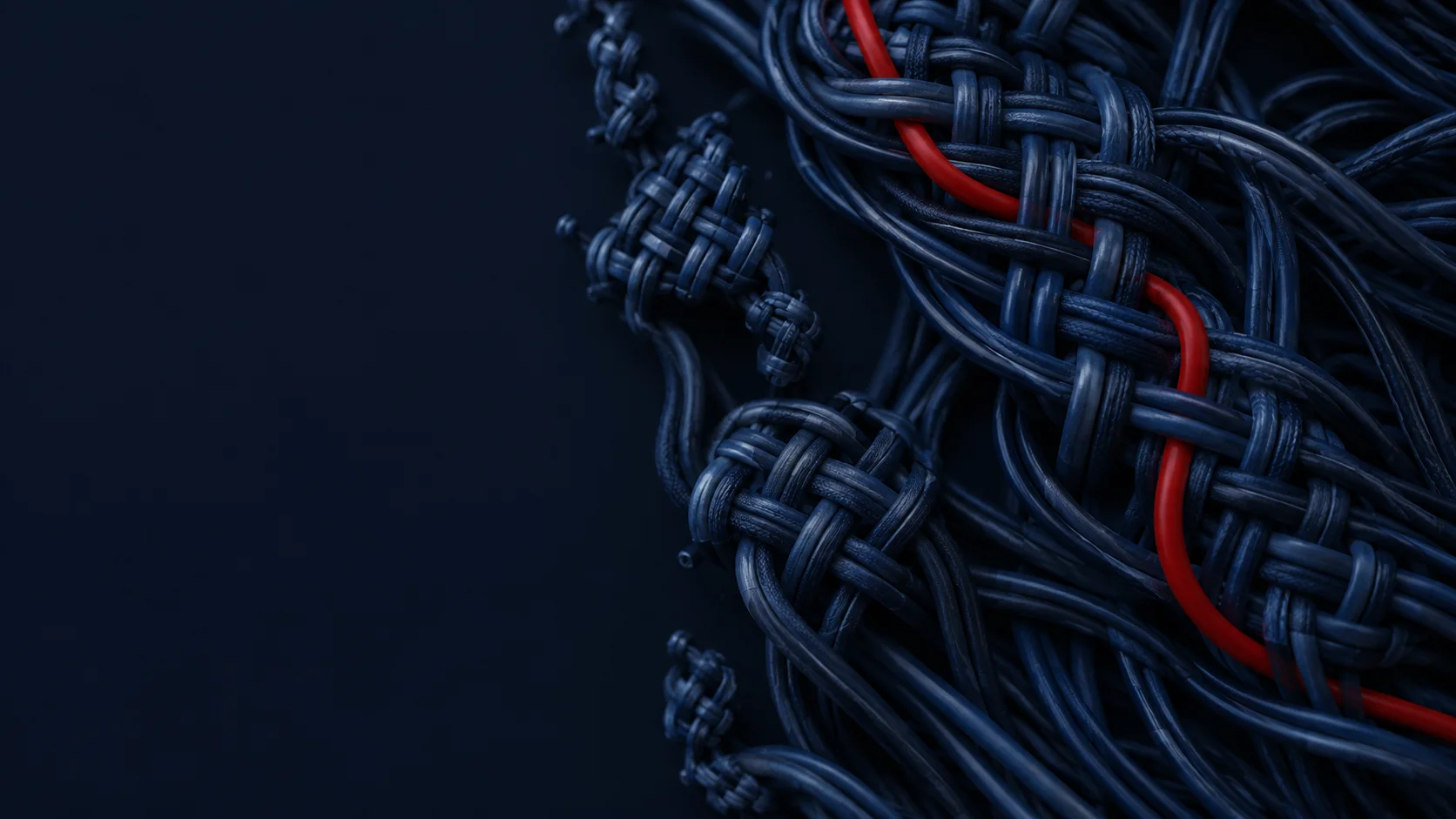
Wire Harness Connector Selection: A Practical Framework
Connector choice is the highest-leverage decision in a harness — it fixes the sealing, current rating, mating life, tooling, and long-term availability before a single wire is cut. A five-question filter — environment, contact system, pitch and keying, sealing, and lifecycle risk — narrows the family fast, and getting it right at DFM is what keeps a design from aging into an obsolescence or allocation problem.
AWG Selection: A Decision Tree With Voltage Drop, Ampacity, and Bundle De-Rating Math
Given current, distance, ambient temperature and bundle count, which AWG do you pick? NEC 2023 Table 310.16, UL 758 de-rating, and a worked example: AWG 14 at 15 A, 30 °C, 10 ft = 0.78 V drop.
Editorial Standard
WRITTEN BY
THE PEOPLE
ON THE FLOOR.
Every article on this blog is drafted by an XUDONG engineering desk member, reviewed by Mr. Fei Bo Hu, and fact-checked against either the underlying standard (IPC, NEC, UL, USTR Federal Register) or our own Cirris and PPAP audit data. We do not publish opinion pieces and we do not publish vendor-sponsored content.
If you find a number that is wrong or stale, write to the engineering desk and we will publish a correction with date stamp.
Next Step
Reading is fine. Quoting is faster.
Send a drawing or BOM and the engineering desk replies in 12 hours with DFM markup, landed-cost math, and a Philippine-origin documentation worksheet. Quote returned within 12 hours. NDA on file. No obligation.